Stressed by 10am? Here’s What One Drop of Lavender Actually Does
It was 9:47am and the day had already gone sideways.
Two back-to-back meetings before coffee. An email that needed a response ten minutes ago. A notification that could wait — but somehow couldn’t.
And somewhere underneath all of it, that low-grade hum. The one that starts behind your eyes and works its way down into your shoulders before you even notice it’s there.
That’s not a bad morning. That’s just Tuesday now.
I’m not going to tell you lavender fixes any of that. The meetings still happen. The inbox doesn’t care.
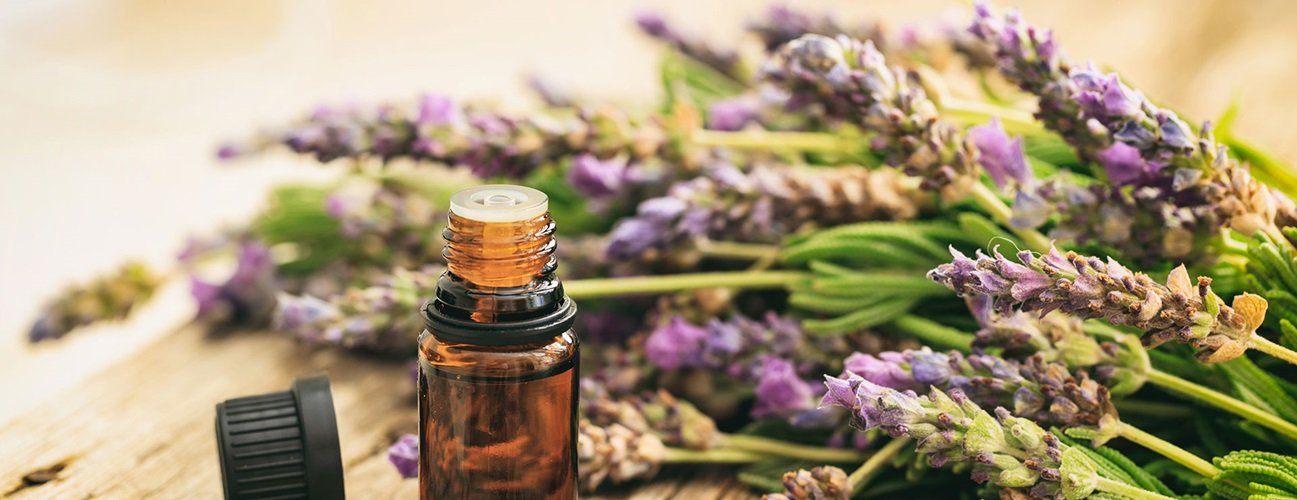
But what I can tell you — after thirty years of living with essential oils in this house — is that something measurable happens when you uncap that little bottle and take thirty seconds to actually breathe.
That’s what this piece is about. The research, the practical application, and the honest truth about what lavender can and can’t do.
Where It Comes From
Lavender — Lavandula angustifolia — is native to the mountainous regions of the Mediterranean. It’s been cultivated for over 2,500 years. People were reaching for this plant long before anyone had a name for what it was doing chemically.
The Romans used it in bathhouses. Medieval Europeans tucked it into linens to calm the mind. During World War I, it was used in field hospitals as an antiseptic when supplies ran short.
The plant has a long resume.
Today it’s grown across southern France, Bulgaria, Spain, and parts of the United States. Altitude and soil composition significantly affect the quality and chemical profile of the oil — which is why sourcing actually matters here. Not all lavender oils are the same, and adulterated versions are more common than most people realize.
Where It Comes From
Lavender — Lavandula angustifolia — is native to the mountainous regions of the Mediterranean. It’s been cultivated for over 2,500 years. People were reaching for this plant long before anyone had a name for what it was doing chemically.
The Romans used it in bathhouses. Medieval Europeans tucked it into linens to calm the mind. During World War I, it was used in field hospitals as an antiseptic when supplies ran short.
The plant has a long resume.
Today it’s grown across southern France, Bulgaria, Spain, and parts of the United States. Altitude and soil composition significantly affect the quality and chemical profile of the oil — which is why sourcing actually matters here. Not all lavender oils are the same, and adulterated versions are more common than most people realize.
What Does Lavender Actually Smell Like?
Clean. Soft. Slightly floral without being perfume-y.
There’s an herbal edge underneath — something green and almost medicinal — that keeps it from tipping into grandma’s-soap territory.
It’s one of those scents that manages to be both familiar and calming at the same time. You’ve smelled it somewhere before — a spa, a candle, a pillowcase — and your nervous system seems to remember the association.
Whether that’s chemistry or conditioning, the effect tends to be the same. Things slow down a little.
On the drydown, it gets slightly woody and warm. Not sweet, not sharp. It’s a background scent — the kind that works in a room without announcing itself.
What’s Actually in It
The reason lavender does what it does comes down to a handful of key compounds. You don’t need to memorize these — but understanding them quickly explains why this isn’t just aromatherapy folklore.
Linalool is the primary constituent and the one that gets the most research attention. Studies suggest it has anxiolytic properties — meaning it appears to reduce anxiety markers — and may interact with neurotransmitter receptors in ways that promote calm without sedation.
Linalyl acetate works alongside linalool. Research indicates it may help reduce nervous system activity — part of why lavender is associated with both sleep and the kind of daytime calm that lets you think straight again.
Camphor and 1,8-cineole appear in smaller amounts. They give the oil its subtle herbal edge and contribute mild anti-inflammatory properties — which may be relevant for tension headaches.
The evidence is solid in some areas and still developing in others. What’s well-supported: lavender inhalation measurably affects the nervous system. What’s more traditional: the specific mechanisms are still being worked out. Worth knowing the difference.
What People Use Lavender For
Lavender has a short list of things it’s genuinely known for — and stress is at the top of it. That’s not just wellness folklore.
Multiple studies have found that inhaling lavender lowers cortisol, slows heart rate, and reduces self-reported anxiety in people under measurable stress. One clinical trial found results comparable to a low-dose anti-anxiety medication — no side effects, no prescription. Sixty seconds and a bottle that fits in your pocket.
The application is almost stupidly simple. A drop on your wrists before a hard meeting. Two drops in a diffuser while you work through the backlog. A quick inhale straight from the bottle when the 10am spiral starts. No ritual required. Just the oil and thirty seconds of actually breathing.
Sleep is next. Lavender improves sleep quality — particularly when the sleep problem is stress-related. Diffuse it in the bedroom or apply a diluted blend to the bottoms of your feet before bed. Worth trying before you assume you need something stronger.
Tension headaches don’t get enough credit here. A diluted drop to the temples and the back of the neck addresses the physical tension and the stress driving it at the same time. A small study found inhaling lavender during a migraine attack reduced pain intensity in the majority of participants. Modest science. Real effect.
Mood is harder to measure but consistently reported. Lavender won’t manufacture energy or motivation. What it does is lower the volume on whatever’s making everything feel louder than it needs to be. Sometimes that’s enough.
How to Use It Safely
Lavender is one of the gentler oils — but gentle doesn’t mean careless.
Topical use: Always dilute before applying to skin. About 2 drops per teaspoon of carrier oil is a good starting point. Fractionated coconut oil, jojoba, and almond oil all work well. For stress, wrists, temples, and the back of the neck are the most effective spots. Always do a patch test first.
Diffusion: 4–6 drops in a standard diffuser is plenty. Run it for 30–60 minutes at a time rather than continuously — your nose acclimates fast, and more isn’t better.
Direct inhalation: Cup your hands around the bottle opening and breathe slowly. Fastest delivery method when you need something to shift quickly.
A few things worth knowing:
- Lavender is generally considered safe during pregnancy in low dilutions — but check with your provider, especially in the first trimester
- Higher amounts can lean sedative, which matters if you need to stay sharp
- Some people experience skin sensitivity with undiluted application
- Quality matters significantly — know what you’re buying and where it came from
Some Blends Worth Trying
The oils I use at home come from Young Living — their sourcing and distillation standards are why I trust what I’m diffusing. If you’re curious about what we use and why, Here’s a link to the Lavender oil we use.
The 10am Reset (diffuser blend)
- 3 drops Lavender
- 2 drops Bergamot
- 1 drop Frankincense
Run this for 30 minutes when the morning has already gotten away from you. The bergamot lifts, the frankincense grounds, and the lavender holds it all together.
Tension Tamer (topical blend)
- 3 drops Lavender
- 2 drops Peppermint
- 1 tablespoon fractionated coconut oil
Apply to the back of the neck and temples at the first sign of a stress headache. The peppermint adds a cooling sensation that pairs well with lavender’s calming effect.
End-of-Day Wind-Down (topical blend)
- 4 drops Lavender
- 2 drops Cedarwood
- 2 drops Vetiver
- 1 tablespoon carrier oil
Apply to the bottoms of feet before bed. Vetiver and cedarwood are heavier, earthier oils — combined with lavender, they signal to your nervous system that the day is actually over.
Clean Calm (linen spray)
- 10 drops Lavender
- 10 drops Lemon
- Water to fill a 16oz spray bottle
A light spray for your pillow or workspace. Keeps the environment calm without needing a diffuser running.
Questions People Ask About Lavender
Does lavender actually reduce stress, or is it just placebo? The research suggests it’s not just placebo. Studies using physiological markers — cortisol levels, heart rate variability, skin conductance — show measurable changes with lavender inhalation that go beyond expectation effects. That said, expectation and ritual do amplify results. Both things can be true.
How fast does it work? Inhalation is the fastest route — most people notice a shift within a few minutes. Topical application takes a little longer. Don’t expect an instant off-switch, but do expect something to change within 5–10 minutes of consistent, intentional use.
Can I use it at work without bothering coworkers? Yes. Direct inhalation from the bottle is discreet and doesn’t diffuse into shared air. A roller blend on your wrists stays close to you. If you work in an open office, skip the diffuser.
Is it safe to use every day? Generally yes, for most adults. Rotate it with other oils periodically so your body doesn’t habituate, and give your skin breaks from topical application in any one spot.
Will it make me sleepy during the day? In moderate amounts used aromatically, most people report calm alertness rather than drowsiness. Higher amounts — particularly topical — can lean more sedative. Start small and see how you respond.
I’ve tried lavender candles and didn’t notice anything. Is this different? Almost certainly yes. Most scented candles use synthetic fragrance, not actual lavender oil. The chemical compounds responsible for lavender’s effects aren’t present in synthetic versions. It’s a meaningful difference.
What if I just don’t like the smell? Fair. Lavender isn’t for everyone. If the floral note bothers you, try blending it with something woodier — cedarwood or vetiver shift it into a more grounded, earthy direction that some people find easier to work with.
If you’ve made it this far, you probably already know lavender works — you just wanted to understand why. Drop a comment below and let me know what you’ve noticed, or share a blend you swear by that I haven’t mentioned here.
And if you want more of this every week — oil deep-dives, DIY recipes, honest takes on natural living — the newsletter goes out every Tuesday. Free to subscribe.
Nothing in this article should be taken as medical advice. I’m not a doctor — just someone with a lot of years of hands-on experience and a deep respect for what these oils can do. Essential oils are worth learning about, but if you have a serious health condition, please work with a qualified healthcare provider. Always dilute before applying topically and do a patch test first.
— Max